
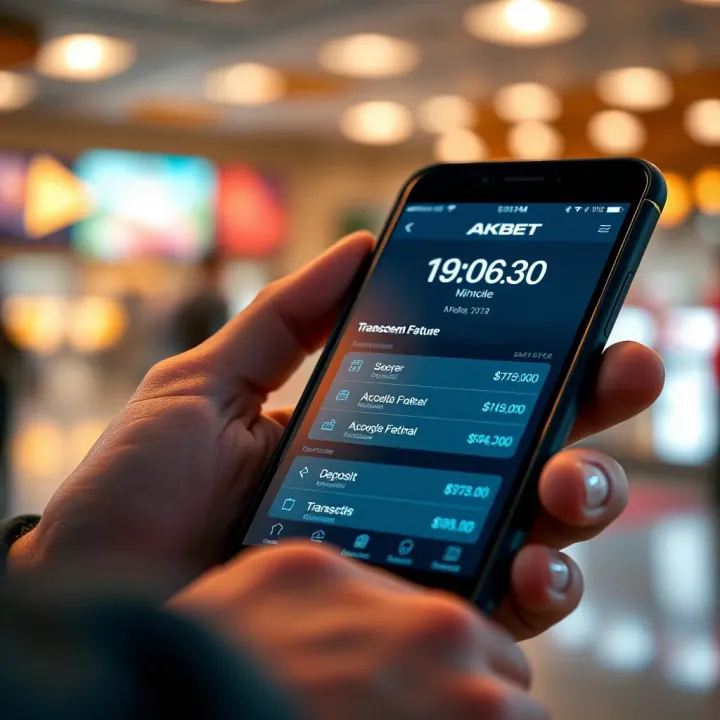
Understanding Akbet Mobile: Features, Registration & Usage
Discover Akbet Mobile's top features, simple registration, smooth fund deposits, easy betting, safe withdrawals, plus reliable support—all crafted for Naija players ⚽📱💸
Edited By
Victoria Green
Makbet is a term increasingly common in Nigeria’s betting and informal gambling circles. It refers specifically to the practice where a bettor places multiple stakes across different matches or events, often grouping them together in one slip to increase potential winnings. Unlike simple bets on a single match, Makbet involves predicting several outcomes correctly, making it riskier but also capable of yielding higher returns.
This betting style originated from grassroots markets and has since spread to digital platforms like Bet9ja, NairaBet, and 1xBet Nigeria, which allow flexible stake combinations. It mirrors a kind of parlay bet popular globally but adapts to Nigerian sports culture, prominently football since the sport dominates local interest.
Makbet usually features the following characteristics:
Multiple selections: Bettors combine two or more matches or markets into one ticket.
Increased risk and reward: While the possible payout increases, the chance of winning drops since all predictions must be accurate.
Variety of markets: Bets can cover match results, over/under goals, correct scores, or even player-specific actions.
For instance, a bettor might choose three football matches:
Rangers FC to beat Enyimba FC
Over 2.5 goals in the Kano Pillars vs. Lobi Stars game
A draw in the match between Akwa United and Kwara United
If all three outcomes occur, the bettor wins a multi-fold return. If even one fails, the entire ticket is lost.
Understanding how Makbet works is key for sports bettors seeking strategies to optimise returns while managing risks. It combines excitement with discipline — you must carefully analyse matches and markets rather than rely on guesses or gut feelings.
In Nigeria’s economy, Makbet and similar betting styles play a growing role, especially among youth and sports fans looking for extra income. It drives turnover for online sportsbooks and creates small-scale economic circuits where winnings circulate through family and friends.
However, caution is necessary. The high-risk nature can lead to overspending, debt, and social challenges if not handled responsibly. Betters should treat Makbet like any investment: study trends, keep stakes within affordable limits, and avoid chasing losses.
In summary, Makbet is a dynamic, culturally embedded betting method shaped by Nigeria’s passion for football and entrepreneurship. For financial professionals and tech enthusiasts evaluating the betting industry's growth, it offers insights on consumer behaviour, platform design, and market expansion opportunities. Sports bettors can enhance their approach by appreciating the strategic demands Makbet imposes.
This section sets the stage for diving deeper into Makbet’s origins, typical features, and broader cultural impact within Nigeria.
Understanding what Makbet means and tracing its origin is key for anyone interested in Nigerian culture, especially as this term carries deep social and cultural nuances. Makbet does not merely represent a word or phrase; it embodies a set of behaviours, beliefs, and traditions that have evolved in specific Nigerian communities over time. Clarifying its meaning helps avoid confusion and sheds light on how it influences daily life, social interactions, and even economic activities.
Makbet is often interpreted as a term connected to luck, fate, or destiny, especially in contexts where outcomes seem unpredictable or influenced by unseen forces. In some Nigerian circles, people use 'Makbet' when describing events that feel like chance or when referring to a gamble, not necessarily in a literal betting sense but more in a metaphorical way tied to risk and fortune. For example, a trader who takes a risk on a new product might say they are doing a "makbet"—hoping luck favours the outcome.
The term has also seeped into informal speech where it represents the idea of uncertainty or taking chances without clear guarantees. Among sports bettors, for example, describing a match or bet as a 'Makbet' might highlight the unpredictability of results.
Makbet’s origin can be traced back to Yoruba-speaking communities, where indigenous beliefs about chance, destiny, and supernatural influence on human affairs remain strong. These ideas mix traditional understanding with contemporary applications, bridging old customs with present-day social realities. Over time, Makbet has taken on a broader cultural meaning beyond its roots.
Historically, the term has been linked to communal storytelling and proverbs that deal with uncertainty in life — such as agricultural outcomes depending heavily on weather and other factors beyond control. In urban centres like Lagos and Ibadan, the influence of Makbet appears in everyday conversations, especially among traders, youth, and even tech entrepreneurs who acknowledge the role of chance alongside skill.
Makbet reflects a cultural mindset where chance and calculated risk play recognised roles in how Nigerians navigate business, personal decisions, and social life.

Understanding this background sets the stage to appreciate Makbet's role in Nigeria’s socio-economic fabric today, especially how it informs attitudes towards betting, investment, and even technological startups.
In summary, defining Makbet isn't just about a dictionary meaning; it involves recognising its place in Nigerian social life, economic choices, and its cultural narrative about chance and destiny.
Understanding Makbet's features and behaviours is vital for grasping how it manifests within various Nigerian communities. These traits illuminate the underlying cultural fabric and practical functions Makbet serves, especially in social and economic spaces. Recognising these characteristics also helps stakeholders, such as sports bettors, financial experts, and tech enthusiasts, appreciate its broader influence.
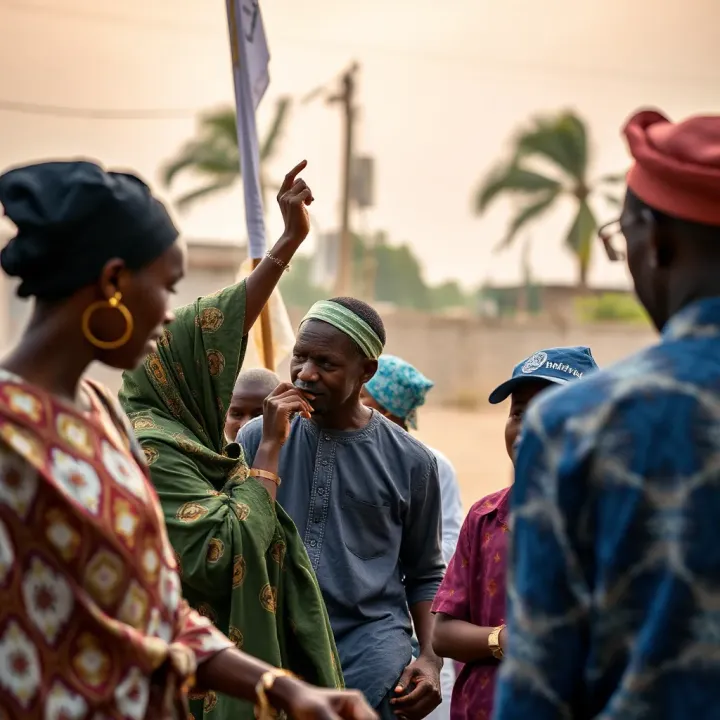
Makbet commonly involves robust social interactions, often marked by informal discussions around shared interests like football, politics, or local markets. This engagement can resemble spirited debates or negotiation sessions where participants express passion and sometimes use persuasive oratory to assert views. Another notable behaviour is the system of reciprocity often present; members may exchange favours, information, or small tokens of goodwill that reinforce community bonds. For example, in Lagos, a group of friends might playfully challenge each other to predict football match outcomes, with small stakes involved, building camaraderie and sometimes fostering informal clubs.
Moreover, Makbet practices tend to carry distinctive body language and expressions that signal group belonging and understanding. These features can include unique hand signs, nicknames, and local slang, all of which deepen the social connection. The act of communal sharing—whether food, drinks, or stories at local bukaterias or mama puts—often complements these interactions, making the experience more immersive and authentic.
Makbet settings are diverse but generally informal, making them accessible to a wide range of people. Common places include street corners, local bars, football viewing centres, and even digital spaces such as WhatsApp groups or online forums where Nigerians gather to exchange insights or challenge each other’s predictions. For instance, in tech-savvy Lagos suburbs, Makbet sometimes shifts to mobile betting apps integrated with social chats, blending tradition with modern technology.
Participants span various age groups and occupations but tend to share backgrounds connected to working-class or entrepreneurial communities. Sports bettors and traders often take part, using the platforms to gauge opinions or spot market trends. Youths engage actively, bringing energy and often pioneering new variations of Makbet through social media or fintech platforms.
These settings underscore Makbet’s role not just as cultural pastime but also as a medium for social bonding, information exchange, and informal economic activity.
In summary, Makbet’s typical features—vibrant interaction, reciprocal behaviours, and shared cultural symbols—combined with its presence in flexible, community-centred venues, demonstrate its embeddedness in Nigerian life. For professionals concerned with analytics or fintech innovation, recognising these patterns provides groundwork for practical engagement and influence in local markets.
Makbet holds a unique place in Nigerian communities, intertwining cultural traditions with social functions that affect daily life in various ways. In many areas, it influences how people interact, shaping community norms and expectations. While it might seem niche to outsiders, Makbet often commands respect and plays a part in local identity.
The social impact of Makbet is noticeable in several Nigerian communities where it fosters a sense of belonging among participants. For example, in parts of the Southwest, Makbet gatherings often double as social hubs, bringing neighbours together for storytelling, music, and ritual. Such events reinforce local values and create spaces for intergenerational dialogue. However, opinions vary sharply; while some see it as a vital cultural practice, others view it sceptically, especially where Makbet’s activities intersect with social vices.
Community leaders sometimes intervene to guide practices in ways that align with broader social goals. Take, for instance, a Lagos neighbourhood where youth groups practising Makbet are encouraged to channel their energy into organised cultural festivals and income-generating ventures. This approach not only preserves heritage but also reduces tendencies towards idleness or minor delinquency, which can arise without structured outlets.
Makbet serves as much more than entertainment; it’s a social glue that connects people but demands careful navigation to balance tradition and modern social expectations.
Economically, Makbet has a ripple effect in local markets. Its gatherings frequently stimulate trade, with sellers of local snacks, drinks, and crafts setting up stalls to serve participants. In some cases, artisans specialising in Makbet-related attire or instruments find consistent demand during Makbet seasons, providing a source of income.
Additionally, some communities have turned Makbet-related tourism into a modest business. Visitors curious about such cultural displays contribute to hospitality earnings, and local transport operators—okada riders, keke napep drivers, and danfo operators—benefit from increased movement. Meanwhile, organisers sometimes raise funds through ticket sales or community levies, reinvesting into public amenities or future events.
It’s worth noting that informal betting often accompanies Makbet events, drawing interest from sports bettors and gamblers. Though this can boost liquidity locally, it poses risks if unchecked, requiring balanced regulation to ensure it remains a supplement rather than a detriment.
In summary, Makbet’s role in Nigerian society is complex, weaving together social cohesion and economic opportunity. Its continued evolution depends on how communities manage traditions in line with contemporary realities, ensuring that both cultural heritage and practical benefits thrive.
Understanding the challenges and controversies surrounding Makbet is vital because it directly affects how the practice is perceived and managed in Nigerian society. These issues influence public opinion, legal responses, and even the traditions connected with Makbet. Addressing common concerns helps strip away false narratives and provides a clearer picture of its true nature.
Makbet often raises significant legal and ethical questions, especially when its practices intersect with Nigerian law and societal norms. For instance, some activities linked to Makbet may conflict with established laws regarding public order or financial regulation, depending on the context and location. Cases have been reported where misunderstandings about Makbet's intentions resulted in legal action or police intervention, particularly in urban areas where authorities are more vigilant.
Ethically, Makbet's practice sometimes stirs debate over consent and respect, especially where cultural rituals that involve personal or sacred spaces are misinterpreted or misused. Nigerian communities emphasise respect for traditions; hence, any deviation or exploitation can lead to social backlash. For example, if an individual claims spiritual protection under Makbet but engages in harmful or deceptive behaviour, it damages the collective reputation and undermines trust.
Misunderstandings about Makbet are widespread, leading to stereotypes that often paint it in a negative light. One common misconception is that Makbet is inherently linked to illicit activities or malevolent intentions. While some may misuse the term or practice, Makbet in its traditional sense relates more to cultural identity and communal values.
Stereotypes also create social stigma for practitioners, who may face discrimination or exclusion, especially in professional or mixed social settings. This is particularly notable in cities like Lagos or Abuja, where multicultural interactions occur daily.
Another misunderstanding involves the assumption that Makbet is static or resistant to change. In reality, the practice adapts with time, reflecting Nigeria's evolving social landscape. For example, younger generations integrate technology and new ideas into tradition, challenging old stereotypes.
It is critical to differentiate genuine cultural practices from distorted images shaped by hearsay or media exaggeration; this helps foster respect and informed discussions around Makbet.
By recognising these legal issues and dispelling stereotypes, Nigerians can better appreciate Makbet’s place in modern society, helping build bridges between tradition and contemporary life while safeguarding cultural heritage.
Looking ahead, the future of Makbet in Nigeria hinges on emerging social, economic, and technological shifts influencing its practice and perception. Understanding these trends helps stakeholders — from policymakers to community members — anticipate changes and prepare relevant responses.
One clear trend is the growing awareness of Makbet practices through social media platforms like Instagram and Twitter. This online exposure brings both criticism and support, creating a more visible dialogue around Makbet's role in culture. Additionally, the younger generation tends to blend traditional elements with contemporary urban lifestyles, shifting how Makbet is expressed in cities like Lagos and Abuja compared to rural areas.
Another influence comes from economic pressures. As the naira faces volatility and many Nigerians grapple with limited income, some turn to Makbet practices as alternative forms of social engagement or income through related activities like events or trade in native artifacts. This economic angle can either deepen cultural appreciation or push Makbet towards commercialisation that risks diluting its original meaning.
Government policy and legal frameworks also impact Makbet's future. Efforts to regulate cultural festivals or monitor harmful practices associated with Makbet could change how communities participate or preserve these traditions. This legal aspect will likely intensify as urbanisation grows and societal norms evolve.
To navigate changes positively, community leaders and cultural custodians should actively document Makbet practices, ensuring they preserve authentic traditions while allowing for cultural evolution. Educational programmes in schools and through media could help demystify Makbet, reducing misunderstandings and combating stereotypes.
Local and federal government agencies need to create policies that protect cultural heritage without imposing harsh restrictions that alienate practitioners. For instance, supporting Makbet-related events through grants or cultural tourism initiatives can encourage economic growth while maintaining respect for tradition.
Furthermore, tech solutions can play a role. Digital archives and virtual exhibitions showcasing Makbet can engage tech-savvy Nigerians, especially young people, fostering appreciation and wider accessibility.
Addressing Makbet's future means balancing respect for tradition with openness to change, guided by informed community dialogue and supportive policy.
Overall, the future of Makbet in Nigeria will depend on how society balances its cultural significance with modern realities. Practical steps combining awareness, education, policy, and technology offer pathways to sustain Makbet's relevance in Nigerian life for generations to come.
Discover Akbet Mobile's top features, simple registration, smooth fund deposits, easy betting, safe withdrawals, plus reliable support—all crafted for Naija players ⚽📱💸
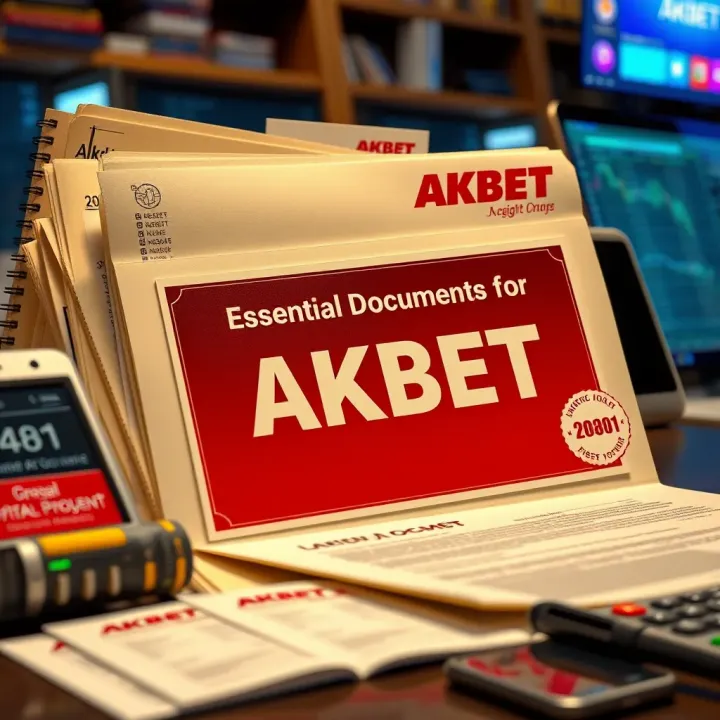
📲 Learn how to register with Akbet in Nigeria step-by-step. Get insight on required documents, common issues, and support to start using Akbet confidently today.

Learn exactly how to delete your Akbet account safely in Nigeria 🔒. Follow simple steps, avoid common issues, and explore alternatives before you close your betting profile 📱.

🔒Learn how to block your Akbet account safely with clear steps, understand the reasons and consequences, plus get tips for contacting support in Nigeria 🇳🇬
Based on 9 reviews